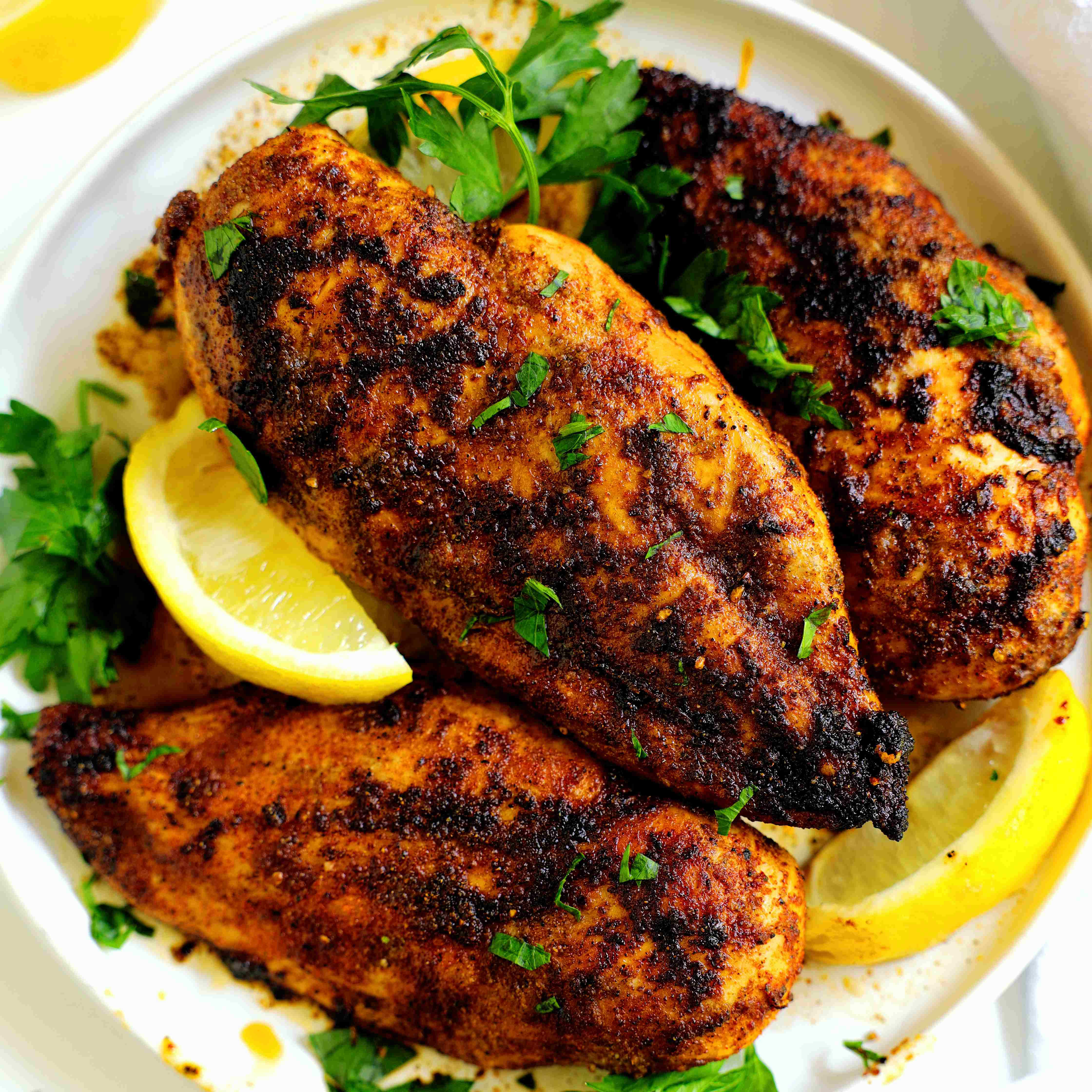
Master Blackened Chicken: Cajun-Inspired & Weeknight Versatile
Transforming simple chicken into a culinary masterpiece is easier than you think. Enter blackened chicken – a dish that promises a symphony of flavors, a crave-worthy crust, and an incredibly juicy interior, all achieved with a surprisingly straightforward technique. Rooted in the vibrant traditions of Cajun cooking, blackened chicken isn't just a meal; it's a dependable protein that fits seamlessly into busy weeknights, sophisticated dinner parties, and versatile meal prep plans. Forget bland chicken – this method delivers bold, deeply seasoned flavor that will have you coming back for more.
At its heart, blackened chicken is a testament to the power of high heat and a robust spice blend. By searing chicken in a very hot skillet, the spices undergo a miraculous transformation, developing a dark, intensely flavorful crust – the “blackening” – without burning. This rapid searing is then often followed by a brief finish in the oven, ensuring the chicken cooks through perfectly while retaining its tenderness and juiciness. The result is an unforgettable dish that “blackens” the spices rather than burning them, creating a rich, savory experience unlike any other.
The Art of Blackening: Technique, Flavor, and Cajun Roots
The magic of blackened chicken lies in its distinctive cooking method, a technique that hails directly from the heart of Cajun country. This isn't just about cooking chicken; it's about creating a specific chemical reaction and flavor profile. The key components are an aggressive spice blend and an extremely hot cooking surface, traditionally a cast-iron skillet.
When the chicken, generously coated in its dark spice mixture, hits the smoking-hot pan, the intense heat causes the spices to rapidly char and form a deep, almost carbonized crust. This “blackening” process is distinct from burning; it’s about caramelizing the sugars and intensifying the flavors of the spices. Ingredients like paprika, cayenne pepper, garlic powder, onion powder, thyme, and oregano, often found in classic Cajun blends, are excellent candidates for this flavor transformation. The high heat also creates the Maillard reaction, developing complex, savory notes that are the hallmark of perfectly cooked protein.
This technique emerged from Cajun kitchens, known for their bold, rustic flavors. The ability to impart such intense flavor and a satisfying texture to simple ingredients made blackening a staple. While originally applied to fish, chicken breasts and thighs quickly became popular canvases for this robust seasoning and cooking style. The contrast between the crispy, spicy exterior and the moist, tender interior is what makes blackened chicken so appealing and truly “crave-worthy.”
For a detailed breakdown of the classic method, you might find inspiration in this article: Easy Blackened Chicken: Juicy & Tender with a Bold Crust.
Crafting Your Signature Blackened Chicken: From Spice Blend to Sizzle
Mastering blackened chicken is all about confidence and understanding a few core principles. The journey begins with the seasoning.
The Spice Blend: Your Flavor Signature
- Homemade vs. Store-Bought: While quality store-bought Cajun or blackening seasonings are convenient, crafting your own allows for customization. A standard blend often includes paprika (smoked or sweet), cayenne pepper (adjust to desired heat), garlic powder, onion powder, dried oregano, dried thyme, salt, and black pepper. Some variations might include cumin, white pepper, or even a touch of brown sugar for extra caramelization. The beauty of a homemade blend is that you can control the salt content and the heat level, ensuring it’s perfect for your palate.
- Application: Don't be shy! Liberally coat your chicken pieces – breasts, thighs, or even tenders – with the spice mixture. Press it gently to ensure it adheres well. A little olive oil or melted butter brushed onto the chicken before seasoning can also help the spices stick and promote an even crust.
Choosing Your Cut: Breasts or Thighs?
- Chicken Breasts: Ideal for quicker cooking and a leaner option. Ensure they are pounded to an even thickness (about ¾ to 1 inch) to promote uniform cooking and prevent drying out. Their flatter surface area also means more crust per bite.
- Chicken Thighs: A fantastic choice for their inherent juiciness and rich flavor. Boneless, skin-on thighs offer the best of both worlds – a crispy, charred skin and incredibly tender meat. Even boneless, skinless thighs work beautifully, maintaining moisture more easily than breasts.
The Two-Step Cooking Method: Sear & Finish
- The Sear: This is where the magic happens. Heat a heavy-bottomed skillet – cast iron is highly recommended for its superior heat retention – over medium-high to high heat until it's smoking. Add a tablespoon or two of a high smoke-point oil (like avocado or grapeseed oil) or clarified butter (ghee). Place your seasoned chicken into the screaming hot pan, skin-side down if using thighs. Sear for 2-4 minutes per side, developing that signature dark, flavorful crust. Your kitchen will get smoky, so ensure good ventilation by opening windows and turning on your range hood.
- The Finish: Once a beautiful crust has formed on both sides, transfer the chicken to a preheated oven (typically 375-400°F or 190-200°C) to finish cooking through. This oven step is crucial for ensuring the chicken remains tender and juicy without over-charring the exterior. Cook until an internal thermometer registers 165°F (74°C) for breasts and 175°F (79°C) for thighs. This typically takes an additional 8-15 minutes, depending on the thickness of your chicken.
Beyond the Skillet: Serving Suggestions & Culinary Versatility
One of the greatest strengths of blackened chicken is its incredible versatility. Once cooked, this flavorful protein becomes a reliable foundation for countless meals throughout the week. Its savory, customizable heat makes it anything but boring.
- Classic Dinner: Serve alongside simple roasted vegetables (like asparagus, broccoli, or bell peppers), a fluffy rice pilaf, or creamy mashed potatoes for a satisfying and easy weeknight meal. A side of fresh cornbread can also beautifully complement the Cajun flavors.
- Salads & Bowls: Slice cooled blackened chicken and add it to crisp green salads with a light vinaigrette, or build vibrant grain bowls with quinoa, black beans, corn, avocado, and a squeeze of lime.
- Tacos & Wraps: Shred or dice the chicken for dynamic tacos, burritos, or lettuce wraps. Pair with fresh salsa, shredded cabbage, a dollop of sour cream or Greek yogurt, and a sprinkle of fresh cilantro for a quick and exciting meal.
- Pasta Dishes: Cut into strips and toss with a creamy Alfredo sauce, a light lemon-garlic pasta, or a spicy tomato sauce for a hearty and flavorful dinner.
- Sandwiches & Paninis: Use sliced blackened chicken as a flavorful filling for sandwiches or paninis, perhaps with some melted provolone and roasted red peppers.
- Meal Prep Powerhouse: Cook a larger batch at the beginning of the week. Its robust flavor stands up well to reheating, making it an excellent component for grab-and-go lunches and quick dinners.
The customizable heat of the spice blend means you can tailor it to fit any preference, from mildly seasoned to fire-breathing hot, ensuring it suits any palate and pairing.
Ottolenghi's Elevated Approach: Charred Thighs & Vibrant Dressings
While the core technique of blackening remains, culinary maestros like Yotam Ottolenghi and Noor Murad offer their unique, elevated twists that push the boundaries of flavor. Their approach to blackened chicken, often focusing on chicken thighs, embraces intense charring and complements it with a vibrant, complex dressing, moving beyond the traditional Cajun sidekicks.
Ottolenghi's philosophy encourages boldness: "Don’t be afraid to really char your chicken thighs here … this’ll add an intense flavour alongside the vibrant dressing and make for a very punchy eating experience." This highlights a key difference – a deliberate emphasis on pushing the char to an almost extreme degree, understanding that this deep caramelization and “blackening” contributes significantly to the overall flavor profile.
Key elements of their method include:
- Chicken Thighs as the Star: Boneless, skin-on chicken thighs are preferred for their fat content and inherent juiciness, which can withstand aggressive charring without drying out.
- Unique Spice Blend & Marinade: Their blend often features ground turmeric, chilli flakes, and a crucial ingredient – fish sauce. This combination provides an umami depth, a hint of earthiness from the turmeric, and a fiery kick from the chilli, distinctly different from traditional Cajun spices. Marinating the chicken (for an hour or even overnight) allows these flavors to penetrate deeply.
- Pressed Searing: A notable technique is weighing down the chicken thighs with a heavy pan during searing. This maximizes contact with the hot surface, ensuring even charring and an incredibly crispy skin.
- The Caramel and Clementine Dressing: This is where Ottolenghi's genius shines, transforming the dish into a complex, multi-layered experience. The dressing typically features caster sugar caramelized to a deep amber, then deglazed with rice wine vinegar, and infused with fresh ginger, red chillies, lime juice, and fish sauce. The addition of clementine segments (or orange) adds a bright, citrusy, and slightly bitter note that beautifully cuts through the richness of the chicken and the intensity of the char. Fresh coriander provides a final aromatic flourish.
This approach moves beyond a simple spice rub, integrating a marinade and a sophisticated dressing to create a “very punchy eating experience.” It exemplifies how a classic technique can be reinvented with global flavors and bold culinary choices. To explore this unique recipe further, you can find more details in Ottolenghi’s Blackened Chicken: Intense Char & Vibrant Dressing.
Mastering Blackened Chicken: Practical Tips for Success
- Ventilation is Key: Seriously, open windows and turn on your exhaust fan. Blackening generates a good amount of smoke due to the high heat and searing. A well-ventilated kitchen is essential for a comfortable cooking experience.
- Use a Hot Pan: The hotter the pan, the better the crust. A screaming hot cast-iron skillet is your best friend here. Don't be afraid to let it preheat for several minutes.
- Don't Crowd the Pan: Cook chicken in batches if necessary. Crowding the pan lowers its temperature, steaming the chicken instead of searing it, which prevents the formation of that beautiful crust.
- Pat Chicken Dry: Before seasoning, thoroughly pat your chicken dry with paper towels. Excess moisture creates steam, again hindering the browning process.
- Don't Peek or Poke: Resist the urge to constantly flip or move the chicken. Let it sear undisturbed for the recommended time to allow a solid crust to form.
- Use a Meat Thermometer: For perfectly cooked, juicy chicken, a reliable meat thermometer is indispensable. Aim for 165°F (74°C) for chicken breasts and 175°F (79°C) for thighs.
- Rest Your Chicken: After cooking, let the chicken rest for 5-10 minutes before slicing. This allows the juices to redistribute, ensuring maximum tenderness and flavor.
- Flavor Customization: Experiment with your spice blend. Add smoked paprika for depth, a touch of brown sugar for sweetness, or adjust cayenne for heat.
From its humble Cajun origins to elevated gourmet interpretations, blackened chicken stands as a testament to the power of a simple technique executed with confidence. Whether you opt for a classic robust spice blend and a quick pan-sear, or venture into the vibrant and complex flavors of an Ottolenghi-inspired dish, the outcome is consistently a bold, juicy, and deeply satisfying protein. Its incredible versatility ensures it will become a staple in your culinary repertoire, making weeknight meals exciting and special occasions memorable. So, grab your skillet, mix your spices, and prepare to master the art of blackened chicken – a dish that promises big flavor with minimal fuss.
