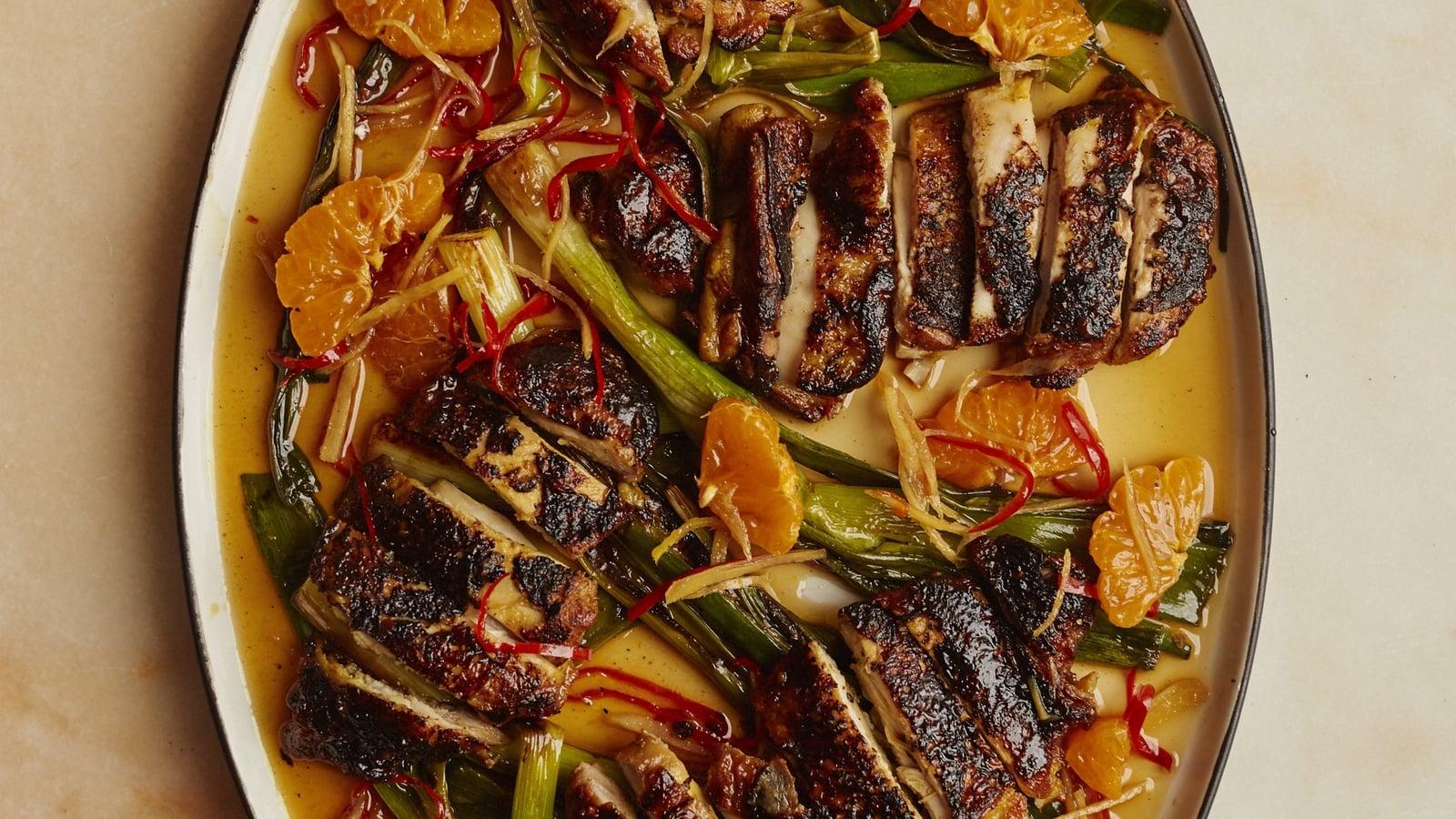
Ottolenghi’s Blackened Chicken: A Masterclass in Intense Char and Vibrant Contrasts
Prepare your palate for an extraordinary culinary journey, where the fiery kiss of a hot pan meets the bright, complex notes of citrus and caramel. Yotam Ottolenghi, alongside Noor Murad from the Ottolenghi Test Kitchen, invites us to explore a truly captivating rendition of
blackened chicken – one that fearlessly embraces an "intense char" and pairs it with an unforgettable "vibrant dressing." This isn't just another chicken recipe; it's a testament to bold flavors, confident cooking, and the magic that happens when contrasting elements harmonize on a plate. Moving beyond the traditional Cajun spices, Ottolenghi infuses this classic technique with his signature Middle Eastern and global influences, creating a dish that is both deeply comforting and refreshingly adventurous.
The Art of Blackening: Beyond Just Burning
At its heart,
blackened chicken is a cooking technique rooted in Cajun culinary traditions, renowned for creating a dark, deeply flavorful crust while keeping the interior succulent and tender. The process involves coating protein – typically chicken, fish, or shrimp – in a robust spice blend and searing it in a screaming hot cast-iron skillet. The high heat doesn't burn the spices; rather, it caramelizes them and activates the Maillard reaction, developing a complex tapestry of savory, earthy, and slightly smoky flavors. This results in a distinctive "blackened" crust, rich in character and utterly crave-worthy.
While many associate blackened dishes with a fiery kick from paprika, cayenne, and other Cajun staples, the beauty of the technique lies in its adaptability. It’s about transforming simple ingredients into a bold, versatile meal that can anchor anything from a busy weeknight dinner to an elaborate meal prep strategy. For a foundational understanding of this versatile cooking method and how to achieve a perfectly juicy interior with a crisp, flavorful crust, explore our guide on
Easy Blackened Chicken: Juicy & Tender with a Bold Crust. It's a dependable protein source that shines in salads, tacos, bowls, or served simply with roasted vegetables.
Ottolenghi’s approach to
blackened chicken honors this tradition of intense searing but veers delightfully into new territory with its unique marinade and an exceptionally creative dressing. His vision maintains the crucial aspect of a deeply flavored crust, but the spices and accompanying elements introduce a different kind of vibrancy, proving that "blackening" is a technique ripe for global interpretation.
Ottolenghi's Signature Char: Embrace the Intensity
One of the most striking directives from Ottolenghi and Murad regarding their
blackened chicken is to "Don’t be afraid to really char your chicken thighs here." This isn't a casual suggestion; it's an invitation to lean into a cooking philosophy that celebrates powerful, almost aggressive flavor development. This deliberate char isn't a mistake; it's the desired outcome, promising an "intense flavour alongside the vibrant dressing and make for a very punchy eating experience."
To achieve this signature char, several elements are key:
- High Heat: A heavy-bottomed pan, ideally cast iron, heated to medium-high is crucial. This ensures even heat distribution and allows for the rapid caramelization of the chicken’s skin and spices.
- Skin-On, Boneless Thighs: Ottolenghi specifically calls for boneless, skin-on chicken thighs. The skin provides a protective layer that crisps beautifully and renders fat, which aids in the blackening process and keeps the meat incredibly juicy. The fat also contributes significantly to flavor. While the recipe offers the flexibility to use chicken breasts or grill in the oven, thighs are arguably superior for their inherent succulence and ability to withstand high-heat searing without drying out.
- The Pressing Technique: A unique and brilliant tip from the Test Kitchen is to weigh down the chicken thighs with another heavy saucepan while searing. This ensures maximum contact between the chicken skin and the hot pan, promoting an even, deep char across the entire surface and rendering the skin exceptionally crisp. This technique is a game-changer for skin-on poultry.
- Ventilation is Key: With intense char comes smoke. As the fats render and spices caramelize, smoke is inevitable. Ensuring your kitchen is well-ventilated is not just a safety precaution but also helps maintain a comfortable cooking environment.
This fearless pursuit of char is what defines the dish, creating a textural contrast and depth of flavor that a lightly seared piece of chicken simply cannot replicate. It’s a confidence-building technique that rewards the daring home cook with truly extraordinary results.
The Jewel of the Dish: Caramel and Clementine Dressing
While the intense char of the
blackened chicken forms the robust backbone of this dish, it's the accompanying caramel and clementine dressing that elevates it into a truly Ottolenghi masterpiece. This dressing is a symphony of contrasts – sweet, tangy, spicy, and umami-rich – designed to cut through the richness of the chicken and provide that promised "vibrant" counterpoint.
Let's break down the magic of this dressing:
- Caramel Base: Starting with caster sugar, a simple caramel is created. This provides a deep, slightly smoky sweetness that grounds the dressing and adds a sophisticated layer of flavor. It’s a departure from typical citrus dressings and a hallmark of Ottolenghi's innovative use of sweet elements in savory contexts.
- Fresh Ginger & Red Chillies: Julienne fresh ginger and deseeded red chillies introduce aromatic warmth and a gentle, clean heat. They awaken the palate and add an exciting zing without overpowering the other delicate flavors.
- Citrus Brightness (Clementine & Lime): The star fruit, clementines, provide a sunny, sweet-tart burst of citrus, less acidic than oranges but equally fragrant. Fresh lime juice adds an essential sharp tang, balancing the sweetness of the caramel and clementines. The limes also serve as a crucial acidic element to cut through the richness of the chicken.
- Umami Depth (Fish Sauce & Rice Wine Vinegar): Fish sauce contributes a profound savory depth, a quintessential umami punch that ties all the flavors together and elevates them beyond mere sweet and sour. Rice wine vinegar offers a mild, clean acidity, further enhancing the dressing’s brightness and complexity without being overly aggressive.
This dressing isn't just an afterthought; it's an integral component that transforms the blackened chicken from merely delicious to utterly unforgettable. The careful balance of flavors showcases Ottolenghi's genius for creating dishes that are both comforting and exhilarating, demonstrating how simple ingredients can be combined to achieve extraordinary results.
Mastering the Method: Tips for Ottolenghi’s Blackened Chicken
Bringing Ottolenghi’s
blackened chicken to life in your own kitchen is a rewarding experience. Here are some actionable tips and insights to ensure success:
1. Marination is Your Friend
The recipe calls for marinating the chicken thighs with ground turmeric, chilli flakes, fish sauce, olive oil, and salt for at least an hour, or even overnight. This step is crucial for several reasons:
- Flavor Penetration: The fish sauce and spices have time to deeply infuse the chicken, ensuring every bite is packed with flavor.
- Tenderization: The mild acidity from the fish sauce can also help to slightly tenderize the chicken.
- Color and Aroma: Turmeric not only adds an earthy note but also contributes a beautiful golden hue to the chicken, which deepens during the charring process.
If refrigerating overnight, remember to remove the chicken from the fridge about 45 minutes before cooking. This allows the chicken to come closer to room temperature, ensuring more even cooking.
2. The Perfect Pan and Heat
As mentioned, a large cast-iron sauté pan is ideal. Cast iron retains heat exceptionally well, which is vital for achieving that intense char. Ensure the pan is *very hot* before adding the chicken. A good test is to flick a few drops of water into the pan; they should sizzle and evaporate immediately. Add the chicken skin-side down, in batches if necessary, to avoid overcrowding the pan and dropping the temperature too much. Overcrowding will steam the chicken rather than sear it, preventing that desired char.
3. The Weighing Technique: Don't Skip It!
The instruction to weigh down the thighs with a large saucepan of similar size is a brilliant technique. It ensures the chicken skin has maximum, even contact with the hot pan, promoting optimal crisping and charring. This is particularly important for thighs, which can sometimes curl up. Cook for 6-8 minutes on the skin side, or until deeply charred and blackened. Remember, the second batch might cook faster as the pan is even hotter.
4. Finishing the Cook
While the given context details the initial charring, for thicker thighs, you might need to flip them and cook for a few more minutes on the other side, or transfer them to a preheated oven (typically 375-400°F / 190-200°C) to cook through to an internal temperature of 165°F (74°C) without over-blackening the skin. The Ottolenghi recipe's 6-8 minutes per side might be sufficient for thinner thighs when pressed, but always check for doneness.
5. Dressing Assembly
Prepare the caramel and clementine dressing while the chicken is marinating or cooking. The key is to manage the caramel carefully (don't burn it!) and then combine all the vibrant ingredients. Taste and adjust the seasoning – you might want more lime for tang, or a pinch more salt. Freshness is paramount here, so use high-quality, ripe clementines and fresh ginger.
For more comprehensive guidance on preparing
blackened chicken that is both flavorful and perfectly cooked every time, explore our detailed resource:
Master Blackened Chicken: Cajun-Inspired & Weeknight Versatile.
Serving Suggestions & Versatility
Ottolenghi’s
blackened chicken with caramel and clementine dressing is a dish that stands proudly on its own. Serve it simply with some fresh coriander scattered over, perhaps with additional lime halves for squeezing, allowing the chicken and dressing to be the stars. Its bold flavors also make it incredibly versatile:
- With Grains: Pair it with a simple bed of fluffy couscous, quinoa, or rice to soak up the dressing.
- As a Salad Topper: Slice the chicken and arrange it over a bed of mixed greens, perhaps with some avocado, toasted nuts, or roasted sweet potato for a substantial and exciting meal.
- In Wraps or Tacos: Shred the chicken and tuck it into warm flatbreads, tortillas, or lettuce wraps, adding some fresh slaw or pickled vegetables.
- Alongside Roasted Vegetables: Complement the intense flavors with lightly roasted broccoli, asparagus, or bell peppers.
This dish is also excellent for meal prep, with the flavors deepening over time.
Conclusion
Ottolenghi’s
blackened chicken with caramel and clementine dressing is a brilliant reimagining of a beloved technique, pushing the boundaries of flavor and texture. By embracing the "intense char" and pairing it with an unexpectedly "vibrant dressing," Yotam Ottolenghi and Noor Murad deliver a dish that is both deeply satisfying and exhilaratingly fresh. It’s a testament to confident cooking, the power of contrasts, and the sheer joy of creating something truly extraordinary in your own kitchen. This recipe is more than just a meal; it’s an experience, promising a punchy, unforgettable eating adventure that you’ll undoubtedly want to repeat.